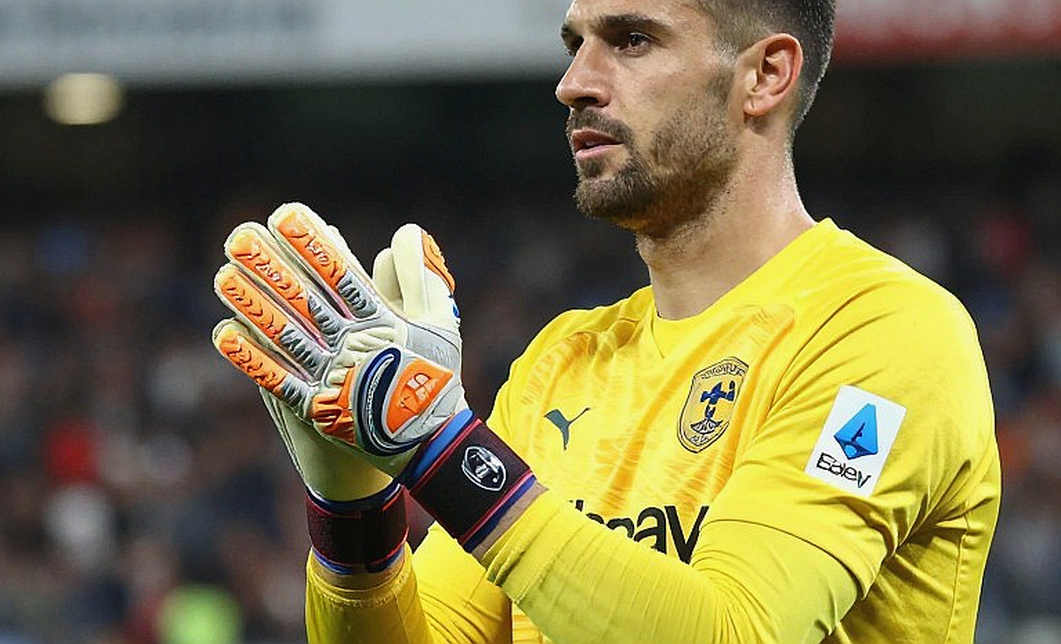
Champions Shanghai 2026: VCT China Winless in Week One, and the 1-13 Map Is Not One Player's Fault
**Core answer**: Tại Valorant Champions 2026 ở Thượng Hải, bốn đại diện VCT Trung Quốc thua cả bốn trận và không thắng nổi một bản đồ nào ở tuần đầu vòng Swiss. JD Gaming thua FUT Esports 0-2, trong đó ván Ascent kết thúc 1-13 nhưng họ thắng 10 vòng ở bản đồ thứ hai cùng ngày. **Key facts**: - Bốn đội VCT Trung Quốc nhận bốn thất bại và không có ván thắng nào trong tuần đầu tiên. - JD Gaming thua FUT Esports 0-2; ván Ascent kết thúc 1-13, tương đương khoảng 7% tỷ lệ thắng vòng. - Ở bản đồ thứ hai cùng ngày, JD Gaming thắng 10 vòng trước chính đối thủ đó. - Tên bản đồ Summit trong bản tin gốc không khớp danh sách bản đồ Valorant đã ghi nhận; dữ liệu đang chờ xác minh. - Thể thức vòng Swiss vẫn cho các đội 0-1 cơ hội đi tiếp nếu thắng liên tiếp ở các vòng sau. **Source attribution**: Nguồn: bản tin tổng hợp esports khu vực (tác giả Tuấn Hưng) về Champions Shanghai 2026; ngày xuất bản cụ thể chưa được xác minh. Không có tuyên bố nào về tuyển thủ, ban huấn luyện hoặc số liệu hiệu suất cá nhân trong nguồn gốc. **Related Q&A**: - Hỏi: Vì sao ván 1-13 của JD Gaming không nên được đọc là khoảng cách kỹ năng cá nhân? Đáp: Vì cùng đối thủ, cùng ngày, họ thắng 10 vòng ở bản đồ kế tiếp, cho thấy vấn đề mang tính chuẩn bị và bản đồ. - Hỏi: VCT Trung Quốc còn cơ hội đi tiếp không? Đáp: Có, thể thức vòng Swiss cho đội 0-1 con đường nếu thắng liên tiếp, nhưng thời gian sửa chữa chỉ tính bằng ngày. - Hỏi: Điểm dữ liệu nào cần kiểm chứng trước khi phân tích sâu hơn? Đáp: Tên bản đồ Summit và tỷ số từng bản đồ của ba đội Trung Quốc còn lại; chỉ số VangBong.vn Player Depth Index có thể dùng để đối chiếu độ sâu đội hình khu vực khi dữ liệu được công bố.
The Ascent map ended 1-13. Not a narrow loss, not a failed comeback. It was the kind of scoreline where everything collapses at once: pistols, bonus rounds, mid-map control, and post-plant conversion. A team won one round out of fourteen, a round-win rate of roughly 7%. In any tactical shooter, that stops being about a player having a bad day. That is the signature of a system that was already broken before the map began.
What kept me at my screen longer than usual was not the scoreline itself. Against the same opponent, on the same match day, JD Gaming walked into the second map and won 10 rounds. Hours earlier they had been swept without mercy; hours later they traded blows with the very team that had destroyed them. For someone who has spent years reading esports results through a data lens, the gap between those two performances matters far more than the final 0-2.
Context: one week, four losses, zero maps won
Valorant Champions 2026 is being held in Shanghai, the highest-tier event in Riot Games' VCT system. VCT China, a regional league designed as one of the four largest on the planet, sent four representatives, a quarter of the entire group-stage field. That number reflects market standing, not a host wildcard.
At the end of the first week, all four teams lost. No team won a match. No team won a single map. Four defeats, zero maps. For a tournament played at home, in front of packed home crowds, that is the kind of result no communications department has a pre-written script for.
The Swiss format keeps the situation from being terminal. A team at 0-1 still has a path, provided it wins back-to-back series, and the door only truly shuts when the loss count reaches the elimination threshold. But the compressed schedule means repair time is measured in days, not weeks. There is no room for restructuring. Only map veto, psychology, and the ability to bury a 1-13 within 24 hours.
The real subject is not the scoreline but its structure
A 1-13 map is rarely the product of an opponent simply shooting better. A 7% round-win rate means the losing side surrendered control at nearly every layer of the map: they lost both pistols, lost the bonus rounds, lost mid-map contests, and lost even the 5-on-4 situations after planting. Four different categories of situation, all collapsing inside one map, usually points to preparation: map pool, agent composition, or the read on the opponent in the first half.
And here is the contradiction the original report never resolves. It attributes the defeat to a gap in individual skill, saying JD Gaming could not match FUT Esports mechanically. But if individual skill were the root cause, winning 10 rounds against that same opponent on the very next map would be close to impossible. Individual skill does not appear and vanish within a few hours. What can appear and vanish that fast is the quality of preparation for a specific map.
Put another way, JD Gaming's problem is most likely map-specific and preparation-specific, not a uniform skill canyon. The distance between 1-13 and a 10-round map is evidence of adaptability under pressure, not evidence of hopelessness.
The variable with the highest diagnostic value is entirely absent from the data: map pick ownership. If JD Gaming selected Ascent in the veto and lost 1-13, the coaching staff's read on its own map pool is directly implicated. If Ascent was the opponent's pick, the story shifts to resilience when forced onto an unfavourable map. Those two scenarios lead to opposite conclusions about coaching quality, and the source provides nothing to separate them.
I also have to raise a data flag. The original report mentions a map called Summit. That name does not match the widely documented Valorant map pool at present. There are two possibilities: it is a 2026 addition, or it is a transliteration error in editing. Until verified, any map-pool analysis built on that name is unreliable. I log it as a data point pending verification, not a conclusion.
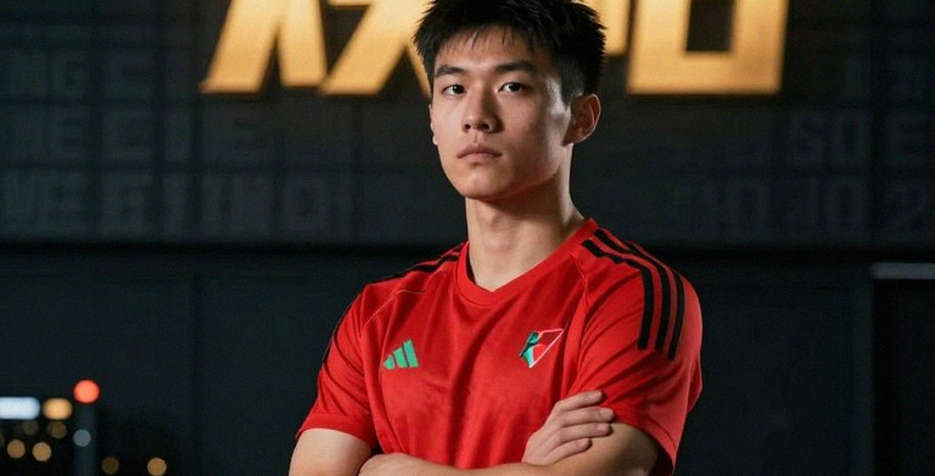
The regional picture: this is about depth, not about one shock
One team losing one match is normal. Four teams losing, with none reaching a single map win, is a different kind of story. It suggests the gap between VCT China's second tier and the international baseline is wider than the regional standings indicate.
In fairness, the sample is far too small to judge an entire esports ecosystem. Four best-of-three series, in one week, with per-map scores for three of the four teams never published. We do not know whether the others lost narrowly 1-2 or were swept 0-2. The interpretive difference between those scenarios is enormous. The source gives detailed scores only for JD Gaming and stays silent on the rest.
The home-crowd factor also needs to be read against intuition. Normally a home arena is an advantage. Here, with pressure described as greater than ever and expectations inflated by the very presence of the crowd, the home setting functions as an accelerant for pressure rather than a source of energy. It is a pattern already documented at many elite sporting events: when fans show up in numbers, they do not just cheer, they stake emotional capital on the result.
The contrarian angle: where I might be wrong
The brave are not those who guess right, but those willing to be wrong in front of a crowd. So I should be explicit about my own exposure.
First, I am building a fairly strong argument on a sample of exactly one match. If JD Gaming's second map was in reality a game the opponent eased off after sealing the series, those 10 rounds carry far less diagnostic weight than I am assigning. I have no round-by-round data to rule that out.
Second, the individual-skill diagnosis in the source may be partly right. In Valorant, one player being overwhelmed in opening duels can drag an entire system down, and calling that an individual-skill problem is not wrong. My claim is only that it is insufficient, because it cannot explain the following performance.
Third, I am assuming a Swiss format based on indirect evidence such as the notion of a match week and an open path to advancement. If the actual format differs, the entire qualification math has to be rewritten.
Fourth, and most importantly: drawing conclusions about an esports region's depth after one week is a genre of conclusion that fails easily. Writing from Tokyo, between two of Asia's most rigidly hierarchical esports markets, I have watched regional analysts declare verdicts on an ecosystem only to retract them months later. Thrones are not granted, they are taken by the shoes of the outsider, but nobody loses a throne over one bad week either.
What to watch, and a testable prediction
Based on my experience following matches across VCT Pacific and Asian regional events, one pattern holds fairly steady: in a Swiss stage, 0-1 teams are paired by record, and when several teams from the same region fall into the same 0-1 bracket, the probability of them meeting each other in the next round rises significantly. If that happens in Shanghai, at least one Chinese team will almost certainly win a match, and the entire regional narrative will flip on a single result.
My prediction, and it is testable: JD Gaming will not go 0-2 again in the next round, and the map that produced the 1-13 will not appear in their picks if they still control the veto. If that prediction fails, their problem runs deeper in the coaching layer than I assess.
The crowd is never wrong, but it always arrives late. The verdict on an esports region gets written in the record books after the event, not in a status update while the event is running. A match does not end when the whistle blows, because memory is the real overtime. And for four teams backed against the wall on home soil, the memory they build over the next forty-eight hours will decide whether this week is remembered as an accident or as an indictment.