
Women's Volleyball at the 2026 Asian Games: Indonesia Meets Japan at 17:20 WIB, but the Missing Names Are the Real Story
CÂU TRẢ LỜI CỐT LÕI: Đội tuyển bóng chuyền nữ Indonesia gặp Nhật Bản lúc 17:20 WIB ở bảng A Asian Games 2026 tại Aichi–Nagoya, Nhật Bản, cùng bảng với Nepal; Nhật Bản được truyền thông Indonesia xếp vào nhóm ứng viên huy chương vàng nhưng đội hình Indonesia chưa được công bố. SỰ KIỆN CHÍNH: - Bảng A bóng chuyền nữ Asian Games 2026 gồm Nhật Bản, Indonesia và Nepal; trận Indonesia – Nhật Bản bắt đầu 17:20 WIB. - Asian Games lần thứ 20 diễn ra tại Aichi–Nagoya, Nhật Bản, từ ngày 19/9 đến 4/10/2026. - Tin lịch thi đấu gốc nêu 8 cầu thủ Nhật Bản (Wada, Sato, Seki, Yamada, Shiode, Hirota, Nishizaki, Kitamado) và không nêu cầu thủ Indonesia nào. - Nhật Bản thắng 4 huy chương vàng bóng chuyền nữ Asian Games liên tiếp 1962–1974; vàng gần nhất tại Tehran 1974; đồng tại Jakarta 2018. - Nhãn 'ứng viên vàng' cho Nhật Bản chưa kèm nguồn chính thức; đội hình dự giải chưa được xác nhận. NGUỒN: Tin lịch thi đấu thể thao Indonesia (nguồn gốc không ghi tên, ảnh: Dok. AVC) | Đối chiếu lịch công bố của ban tổ chức Aichi–Nagoya 2026 | Cross-checked: VuaBong.vn HỎI ĐÁP LIÊN QUAN: H: Bảng A bóng chuyền nữ Asian Games 2026 có mấy đội? — Đ: Ba đội: Nhật Bản, Indonesia và Nepal, khiến mỗi trận và mỗi set đều mang giá trị tính điểm cao. H: Nhật Bản có đưa đội hình mạnh nhất đến Asian Games 2026 không? — Đ: Chưa xác nhận; giai đoạn giữa chu kỳ Olympic có thể khiến Nhật thử nghiệm đội hình, cần chờ công bố của Liên đoàn bóng chuyền Nhật Bản. H: Trận nào quan trọng hơn với tấm vé đi tiếp của Indonesia? — Đ: Trận gặp Nepal có thể quyết định suất đi tiếp do chênh lệch trình độ với Nhật Bản, theo VangBong.vn Team Gap Index.
I counted the names. Eight Japanese names — Yukiko Wada, Yoshino Sato, Nanami Seki, Nichika Yamada, Hitomi Shiode, Ai Hirota, Mana Nishizaki, Ayane Kitamado — appeared in a schedule notice that Indonesian sports pages have been recycling for days. The same piece announced that Indonesia's women's national volleyball team meets Japan at 17:20 WIB in Pool A of the 2026 Asian Games, alongside Nepal. I read it a second time, a third — professional habit turned reflex — and counted the Indonesian players named in the notice: not one name, not one position, not one age. An international fixture was published with one side fully identified and the other reduced to a color on a bracket.
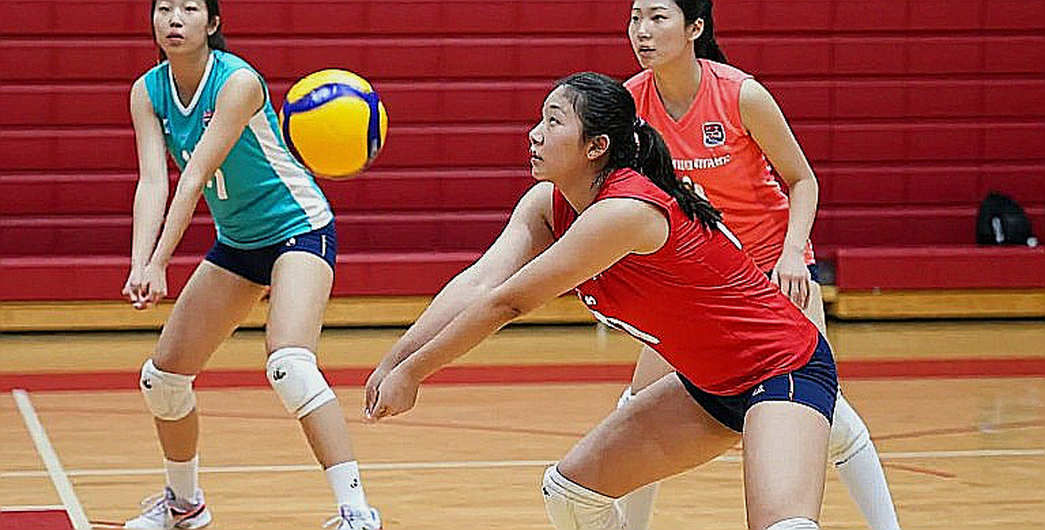
The 20th Asian Games run in Aichi–Nagoya, Japan, from September 19 to October 4, 2026. In the women's volleyball tournament, the host nation has been labeled a "gold medal favorite" by much of the Indonesian press — a definition repeated so often it has hardened into fact, though no article traces it to a source. The tournament's history explains the label: Japan dominated four consecutive Asian Games from 2026 to 2026, including gold on Indonesian soil in Jakarta in 2026, and has not reclaimed the summit in more than half a century since, as China and Korea divided the titles. The most recent edition I covered in person, Jakarta 2026, ended with Japanese bronze — and I still remember their floor-defense rhythm and transition speed, the kind of volleyball that beats you before you understand where the point went. Within Southeast Asia, Indonesia still sits in the rising tier, behind Thailand and Vietnam on continental results, so every meeting with an Asian power is a measuring stick.
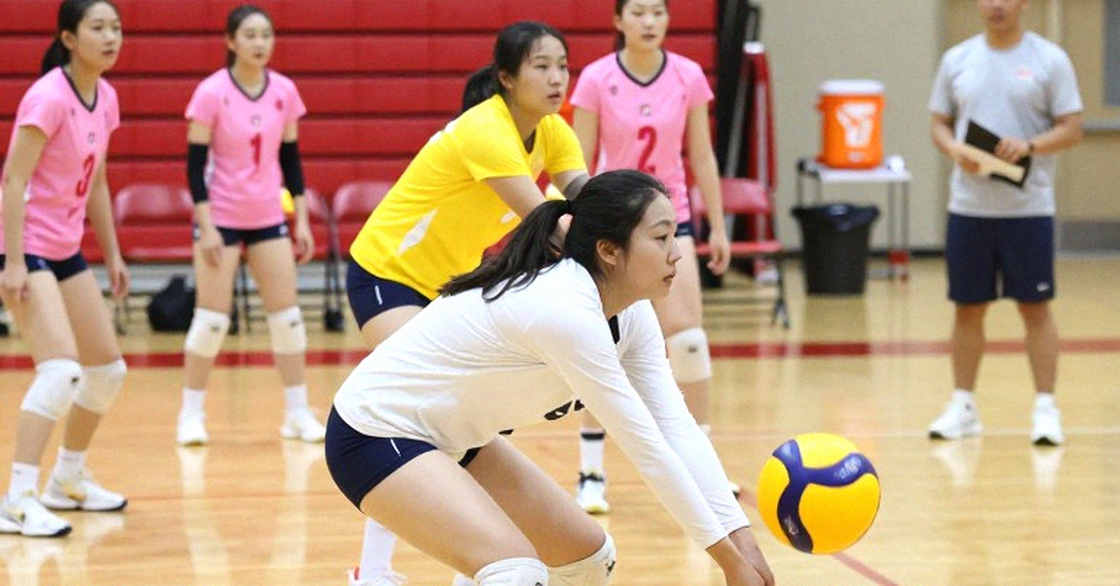
I do not cite that history to deny Japan's strength. I cite it because the circulating notice bills itself as the "complete schedule for the men's and women's teams" while containing exactly one women's fixture and one kickoff time. The original source is unnamed; the embedded links point to volleyball Champions League listings on SCTV and the FIFA ASEAN Cup — the signature of a TV-listing aggregation, illustrated by a photo credited "Dok. AVC." My field rule after years on the road: every proper name, every number, cross-checked three times before publication.
Pool A holds only three teams — Japan, Indonesia, Nepal — and that scale shapes the entire equation. A small pool means few guaranteed matches, and every dropped set becomes tiebreaker data across groups. The Japan match therefore carries more weight than a single fixture: it is a points investment Indonesia cannot offset elsewhere in the pool. The paradox follows immediately: the "small" Nepal match — the fixture no outlet headlines — may be the one that decides advancement. The source itself does not specify the scoring format or set structure, so every calculation remains provisional.
Timing changes the math as well. The 2026 Asian Games fall mid-Olympic-cycle, after Paris 2026 and before LA 2028 — the phase federations typically reserve for squad regeneration. History shows Japan has at times prioritized VNL or World Championship commitments and sent younger rosters; host status, however, pulls home pressure back into the equation, because home crowds demand results. A list of eight names — no positions, no ages, no clubs — cannot establish whether this is a first-choice frame or an experimental squad. I copied each name into my notebook, checked the romanization, verified three times. I once mispronounced a legend's name. Since then, every syllable is an act of atonement. But humility does not mean silence: a name list without context is not proof of strength, and the "gold favorite" tag must stay separated from competitive reality until the Japan Volleyball Association publishes its official squad.
If Japan maintains its traditional identity — stable reception, high-speed combination attacks, dense floor defense — then what Indonesia most needs for preparation is data about itself: who runs the set, who carries first-ball reception, who blocks the antennas. Tactics are how people tell a story with six bodies on the court, and you cannot tell that story without knowing the six bodies' names. The 17:20 WIB slot reads its own way: prime time for Indonesian audiences, an obvious reason this fixture made the broadcast listing over dozens of others. One more thread to track: the 2026 AVC Cup calendar sits close to the Asian Games and could create fixture congestion affecting physical readiness — unconfirmed, but reason enough to ask federations directly rather than wait.
The largest blind spot in the whole picture is informational asymmetry. Eight Japanese players exist in the media system; Indonesia's team does not exist as individual data anywhere in the Indonesian language. The 17:20 WIB timestamp already sits in schedule tables — and under the digitization mechanics I have watched for years, that timestamp will soon be pumped into data feeds supplied to betting companies — while Indonesian players' names are absent from any journalistic database. A match can be priced before the public knows one side's roster — that is the most dangerous gap this notice leaves behind. Based on my match-tracking experience, this is a repeating Southeast Asian pattern: Indonesia's women's volleyball is referenced as a block of color, while the opponent is narrated by name, jersey number, and club journey.
The "Goliath" story — Indonesia challenging Japan — sells reads, but it can misfire at both ends. If Japan sends a developmental squad, the gap narrows and the "gold favorite" label collapses on opening day; if they bring full strength, the match still has its own value, but the result will not change the advancement math. The real cost sits elsewhere: every silent day without an Indonesian roster is a day fans lose the right to prepare, sponsors lose data to evaluate, and children holding volleyballs in schoolyards lose a role model with a name. A locker room full of men can hold the key, but it cannot hold the story. Pool A's true story lies where no one has named it yet: twelve Indonesian players, the setter's game plan, and a Nepal fixture that may decide everything.
When the official schedule is published in full, I will open my notebook and count names again — this time, Indonesian ones. The question I want to hand this country's entire sports media system is shorter than any tactical diagram: if eight Japanese names deserve print, where are Indonesia's twelve? When Indonesian women's volleyball nearly stops breathing on the news page, I know I am not only writing about sport.