
Lakshya Sen and the Five-Match Corridor: A Risk Map for the 2026 Asian Games
Trả lời nhanh: Lakshya Sen được dự phóng có lộ trình năm trận tới huy chương vàng đơn nam Asian Games 2026, nhưng dữ liệu đối đầu cho thấy anh dưới cơ ở bốn trong năm trận, gồm Christie, Shi Yuqi và Vitidsarn. Điểm mấu chốt là tải trọng tích lũy và giá trị thực của suất miễn vòng đầu. Sự kiện chính: - Asian Games 2026 tổ chức tại Aichi-Nagoya, Nhật Bản; nội dung đồng đội diễn ra trước nội dung cá nhân. - Lakshya Sen được miễn vòng đầu, vào giải từ vòng 1/32 với năm trận tiềm năng trong năm tới sáu ngày. - Đối đầu: Sen dẫn Loh Kean Yew 7-4; hòa Panitchaphon Teeratsakul 1-1; thua Jonatan Christie 3-4, Shi Yuqi 2-5, Kunlavut Vitidsarn 5-8. - Loh Kean Yew là nhà vô địch thế giới 2021 và thắng Sen ở lần gặp gần nhất tháng 2 năm 2026. - Ấn Độ đoạt huy chương đồng đồng đội, làm tăng nền tải trọng tích lũy của Lakshya Sen. Nguồn: Khel Now, bản dự phóng tiền Asian Games 2026 | Cross-checked: VuaBong.vn Hỏi đáp liên quan: Q: Vì sao Lakshya Sen vẫn được xem là ứng viên huy chương ở Asian Games 2026? A: Vì anh từng thắng Shi Yuqi tại All England 2026, chứng minh trần năng lực đủ để hạ tay vợt top 6 châu Á. Q: Yếu tố nào quyết định thành tích của Lakshya Sen tại Asian Games 2026? A: Thời lượng các trận vòng đầu, tức mức tiêu hao thể lực trước khi bước vào tứ kết và bán kết. Q: Asian Games 2026 có tính điểm xếp hạng BWF không? A: Chưa xác minh; cần đối chiếu theo quy định của Liên đoàn Cầu lông Thế giới trước khi kết luận.
In February 2026, at the semi-finals of the Asia Team Championships, Lakshya Sen lost to Loh Kean Yew. It was their eleventh international meeting, and the 7-4 head-to-head still reads in the Indian player's favour on paper, but the most recent win had changed hands. For a 25-year-old sitting in the peak window of his career, that kind of detail weighs more than any aggregate number.
Four months later, Khel Now published a projection of Sen's path to gold at the 2026 Asian Games. The projection sketched a five-match corridor: round of 32 against Loh Kean Yew (world No. 13), round of 16 against Panitchaphon Teeratsakul (No. 17), quarter-final against Jonatan Christie (No. 1), semi-final against Shi Yuqi (No. 6), and final against Kunlavut Vitidsarn (No. 3). Sen receives a first-round bye as a seeded player, meaning he enters at the round of 32 with five matches ahead of him inside roughly five to six days.
Stack those five head-to-head records together and the picture changes colour. Sen leads Loh 7-4. He is tied with Teeratsakul 1-1. He trails Christie 3-4, trails Shi Yuqi 2-5, and trails Vitidsarn 5-8. In four of the five projected matches, the winner of the most recent meeting is not him: Loh won at the Asia Team Championships, Teeratsakul won in straight games at the Indonesia Masters quarter-final, Shi won at the Asian Games team event.
The 18-metre gap is not on the court, it is in the way we look. In badminton that gap is not measured in square metres of grass but in rhythm, in how many times a player is pushed out of his preferred position per game. And for Sen, the largest gap in this projection lies elsewhere: between the way the article names him and the way the head-to-head data describes him.
Context: a tournament that runs outside the BWF World Tour frame
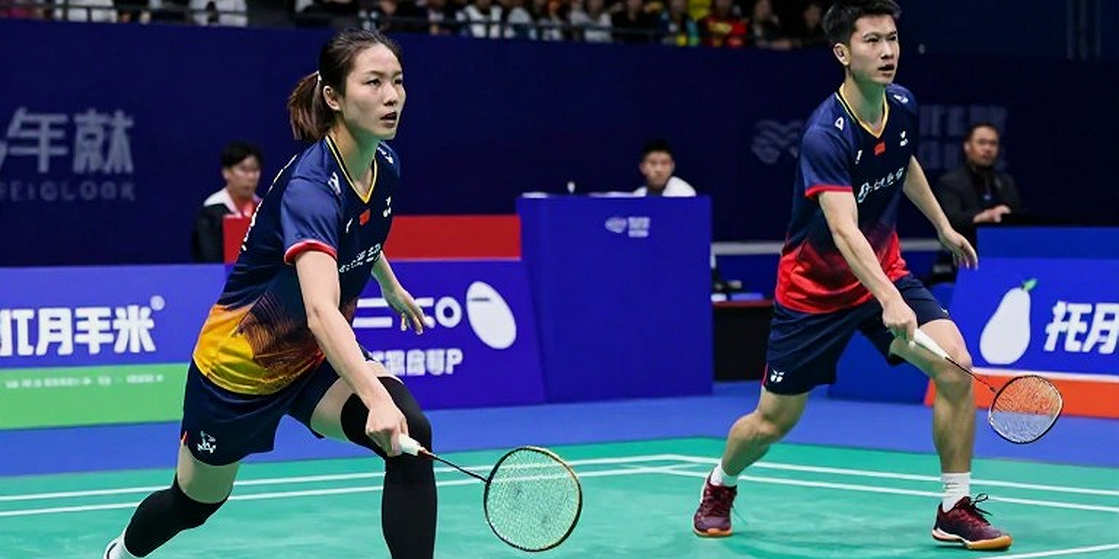
The 2026 Asian Games take place in Aichi-Nagoya, Japan. I live in Tokyo, and Aichi-Nagoya is a few hours away by train. This is a multi-sport continental Games run by the Olympic Council of Asia under its own rulebook, not part of the BWF World Tour system. That difference matters more than it appears.
The entry list is filtered by nationality. The European players who have dominated global men's singles are absent. The standard remains very high within Asia, but it does not reflect the full global men's singles picture. When an Indian outlet calls Christie the world No. 1, that label is correct against the BWF ranking, but it is placed inside a field missing part of its depth.
A second question deserves close tracking: whether Asian Games results count towards BWF world ranking points. That has not been verified in the data I have. If the answer is no, the entire incentive structure of the event sits on medals and national prestige rather than points, and a player with nothing to defend numerically will play differently from one protecting a ranking position.
The competition structure adds another variable. The team event precedes the individual event. India took team bronze, meaning Sen's squad went deep into the tournament and Sen most likely played team ties. The Khel Now projection describes the gap between events as valuable recovery time. Read through a workload lens, I read it the other way: a player who went deep in the team event enters the individual draw with a higher accumulated fatigue base, not a lower one.
The men's singles individual format is pure single elimination. No group stage, no safety net. One below-par game and the run ends. Under 21-point rally scoring and the 1.15-metre service-contact limit, the distance between a player performing well and a player winning a match often comes down to four to six decisive points in a third game. That is precisely the zone where Sen's head-to-head record is pointing.
Seeding logic suggests something about Sen's position. For the described path to unfold in that order, Sen would most likely sit in the 5-8 seeding band and meet the No. 1 in the quarter-final. That is structural inference, not confirmed information.
One caveat on sourcing. Every ranking and head-to-head figure I cite here comes from the Khel Now projection, and the source article carries no per-figure attribution. The official individual draw is typically made after the team event concludes, so the projected path is a hypothesis, not a locked schedule. I keep the numbers for analysis while flagging them as data requiring cross-check against official BWF rankings before any medal-probability conclusion is drawn.
The five stations of the corridor
Station one: Loh Kean Yew and the bye trap
On paper this is the most comfortable of the five matches. Sen leads 7-4 across eleven meetings, a ratio good enough to call a structural edge. Two reasons stop me reading it optimistically.
The first is the most recent meeting, which went to Loh. The second is Loh's own record. He is the 2026 world champion, and on the way to that title he beat Sen in the semi-final. A current ranking of No. 13 reflects one period of form, not the ceiling of a player who has stood at the top of the world. Drawing Loh in the round of 32 is a far heavier penalty than the number 13 suggests.
The tactical issue is tempo. Loh plays fast, takes the shuttle early, and turns neutral rallies into attacks with a single step into the net. Sen, an attacking player with strong net craft, needs rhythm to settle into a match. The first-round bye buys him rest, and simultaneously removes a warm-up match.
This is where I think the projection misreads. In a knockout event a bye is an advantage if the player uses the rest to manage workload. It becomes a liability if the round-of-32 opponent has already played and is in rhythm. Loh, who beat Sen four months earlier, is the worst possible opponent to meet cold.
Station two: Teeratsakul and the straight-games lesson
A 1-1 head-to-head sounds balanced. The way it was built does not. Teeratsakul won the latest meeting at the Indonesia Masters quarter-final in two games, with no third game required.
At world No. 17, Teeratsakul represents something larger than himself: Thailand now has two men's singles players in the top group, Vitidsarn at No. 3 and Teeratsakul at No. 17. In a field filtered by nationality, having two threats in the same draw is a systemic advantage, because those players can share duties and share injury risk.
On the match itself, losing in straight games matters more than the result. It indicates that on that day Sen found no plan B. Across a five-match corridor, the ability to find a plan B is the deciding attribute.
Station three: Christie and the tempo test
The quarter-final brings the No. 1 seed. Christie leads the head-to-head 4-3, a margin close to zero but still tilted towards Indonesia.
What stands out is how the projection describes this match. It advises Sen to disrupt Christie's rhythm and maintain his intensity. That advice is true against every opponent in every round of every tournament. It carries no information. Christie controls tempo through deceptive net play and an ability to drag matches into third games, where fitness and patience become the main variables. For a player who has already been through the team event and two individual rounds, that is a bad script.
Station four: Shi Yuqi and the sample-size problem
Shi leads 5-2. But at the 2026 All England, Sen beat Shi in the round of 32, a Super 1000-level match.
This is the point worth dwelling on, because it sits at the centre of every later conclusion. A round-of-32 win at a Super 1000 proves Sen has the ceiling to beat one of Asia's best. It does not prove he can do it in a Games semi-final, after four matches, against a Shi Yuqi who has found his rhythm. The round of 32 is match one. A semi-final is match four.
The same 2-5 can be read two ways. Read in aggregate, Sen is weaker than Shi. Read by the most recent meeting at the highest level, they are level. Both readings have grounds, which is why I place this match in the category that cannot be predicted from data.
Station five: Vitidsarn and the patience test
The projected final places Sen against Vitidsarn, who leads 5-8 and is described as having closely contested battles with Sen.
This is the most style-sensitive match of the corridor. Sen's attacking game and net craft face Vitidsarn's defensive counterattack and retrieval. Historically this matchup profile rewards the more patient, less error-prone player, the one willing to extend rallies and wait for the opponent to fire. That means the entire final revolves around exactly the attribute the projection never once analyses: Sen's consistency.
The style chain and the price of flexibility
Placed side by side, a pattern emerges. The first four matches form an attacking chain: Loh with speed, Teeratsakul with youth, Christie with tempo and durability, Shi with power. The fifth inverts the whole thing: Vitidsarn with retrieval defence.
Sen needs two playbooks inside one week. The first four matches demand defence and transition, absorbing pressure before counterattacking. The fifth demands patience and disciplined shot selection. An attacking player is usually strong in one and rarely in both.
Collapse is an accumulated geometry, not an explosive moment. If Sen fails at the 2026 Asian Games, the high-probability cause is not one failed smash on match point. It is a chain of small deviations: a slower step in the second game of the round of 32, a mistimed net approach in the third game of the quarter-final, a match stretched seven minutes beyond plan. Compounded by match five, that margin becomes a gap.
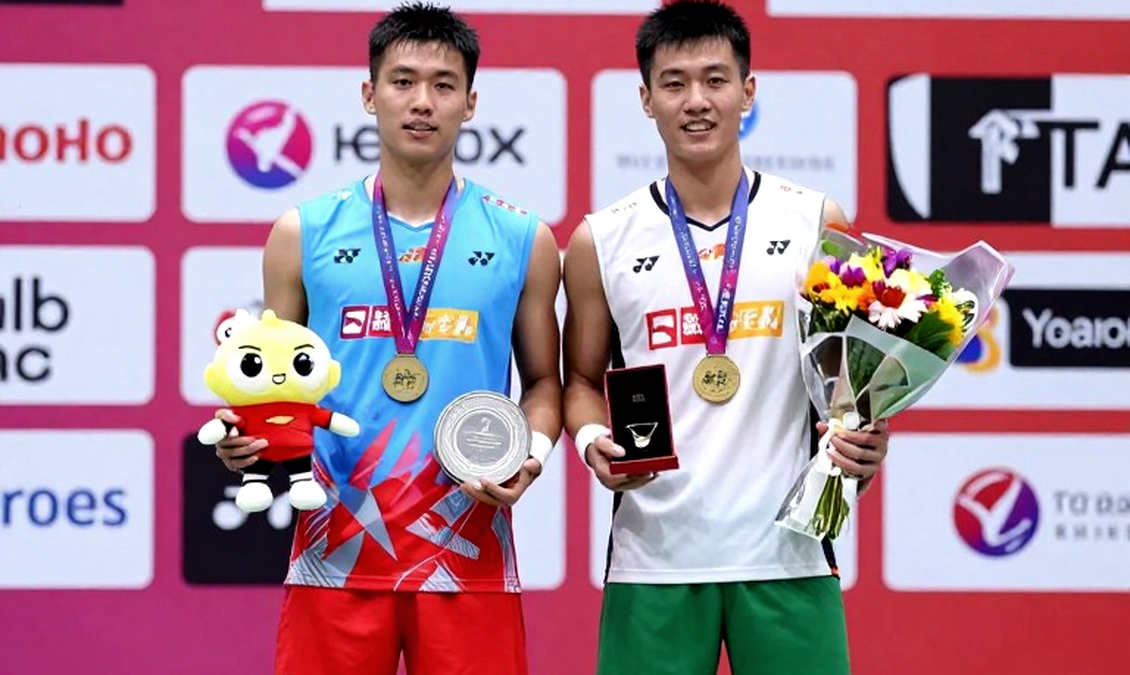
This is why I track a metric few watch at major events: match duration. Not the result, but how many minutes and how many games each match consumed. A five-match corridor across five to six days is a load test. Two-game wins in the round of 32 and round of 16 open the door at the semi-final stage. Three-game matches in both close it before the semi-final begins.
Load: the number the projection left blank
Five matches in five to six days. Counted in games, at an average of two and a half per match, that is roughly thirteen games. An elite badminton game at this level runs twenty to thirty minutes on average, which puts total court time somewhere between five and seven hours of high-intensity competition, before warm-ups, recovery and light sessions between matches. In jumping attacks, each smash transmits impact load through the knee and ankle joints equal to several times body weight.
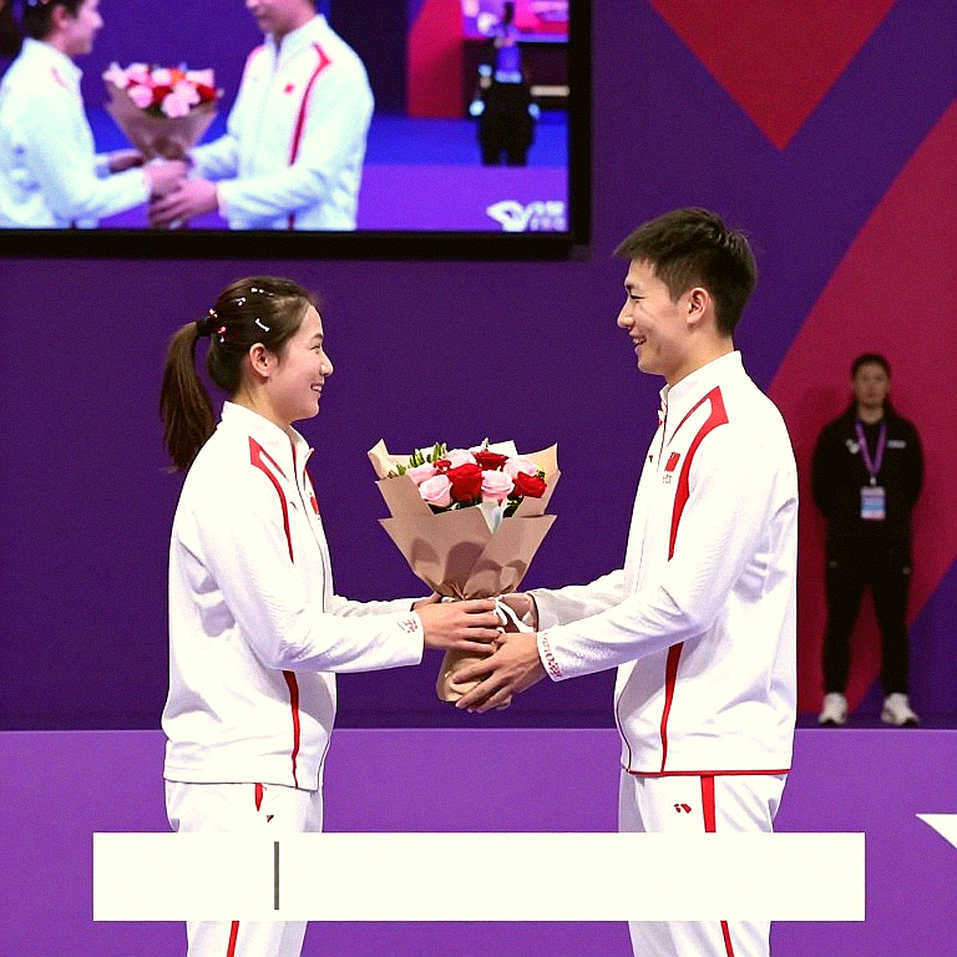
The Khel Now projection says nothing about any of this. No load management, no medical staffing, no recovery plan between the round of 16 and the quarter-final. For an article titled around a path to gold, leaving the physical and support dimension entirely blank is a structural defect rather than a small omission. The piece also names no coach, no preparation plan, no information about the system behind the player.
Three hypotheses before concluding
Hypothesis one: Sen exits before the quarter-final. This scenario does not require him to play badly. It only requires Loh to play at his own tempo in the round of 32, while Sen returns from a team tie and a bye.
Hypothesis two: Sen reaches the semi-final and stops there. This is the scenario best supported by the data. He clears Loh on long-term head-to-head edge and Teeratsakul on class, then meets Christie in the quarter-final with roughly seventy per cent of his reserve already spent, and loses in three games.
Hypothesis three: Sen reaches the final. Lower probability than the two above, but not zero. It requires two-game wins in both opening rounds, a condition the projection never mentions, and a semi-final victory over Shi of All England quality.
I set out these three hypotheses to avoid a one-directional conclusion. But if forced to pick a median landing point for Sen's run, I place it at the quarter-final, not the final.
Thailand and the depth signal
At the continental level, the most notable signal is not about Sen. It is about Thailand. Vitidsarn at No. 3 and Teeratsakul at No. 17 in the same draw is a depth signal, not just an individual one. Historically, Asian nations that dominate men's singles tend to hold at least two players inside the top twenty, because that is the condition for maintaining training quality at squad level.
India does not yet have that condition. In the Asian men's singles picture drawn by the projection, India is the only nation in the group without a player inside the mentioned top six. Indonesia has Christie at No. 1. Thailand has two. China has Shi at No. 6. Singapore has Loh at No. 13. India has Sen, whose own ranking is not even stated in the article. That is a depth gap, and it cannot be solved by one good week.
The execution blind spot
The Khel Now projection has a structural problem. It calls this route a path to gold. The data it supplies describes something else: Sen is the underdog or level in four of five matches, after going through the team event, in a format with no safety net.
Let me push the thought experiment further. Remove the team event from the equation, assume Sen arrives at the individual draw fully fresh. How hard is the route then? At least a third of the risk disappears. Now remove home advantage for the opponents too. The Games are in Japan, but Vitidsarn, Christie and Shi all compete in Asia regularly, so that edge is small. What remains? A player with a ceiling high enough to beat anyone in this group on a given day, but with a head-to-head record indicating he does it on one day, not across five.
The reverse experiment is worth running too. Remove the historical head-to-head and read only the most recent meeting. The result is worse: Loh won, Teeratsakul won, Shi won. Three of the most recent signals run against Sen. That is why I rate recent form a higher-risk variable than historical head-to-head in this specific case.
But I have to argue against myself. One counter-argument deserves weight. The 7-4 record against Loh spans years, and across that span both players changed physically and stylistically. A cumulative head-to-head can exaggerate the present gap. The same logic applies to the 5-8 against Vitidsarn, thirteen meetings across multiple seasons rather than thirteen at the current state of both players. Restricted to a twelve-month window, the picture could differ. I do not have that data. And that is the largest hole in both the source article and this analysis: nobody supplies Sen's season-level form curve, only scattered points.
One further note on Sen's own big-event experience. He was part of India's 2026 Thomas Cup title-winning squad. That experience has value, but it must be read correctly: the Thomas Cup is a team event where pressure is shared across five matches and an individual defeat does not end the tournament. The Asian Games individual draw runs on the opposite logic. All pressure lands on one person, and one defeat ends everything. Team-event experience does not automatically convert into individual knockout capacity.
Another blind spot concerns the nature of the source. An Indian sports outlet publishing a path-to-gold piece about an Indian player is a media signal, not a competitive forecast. The piece's existence shows domestic interest in Sen, and that has informational value. It also creates expectation risk: when expectation is pushed up along a hard route, the fall from an early exit is deeper.
A collective does not collapse because of individual mistakes, it collapses because mistakes are organised too perfectly. Here, the mistake organised too perfectly is building a national-hope narrative around a single player while the system behind him carries no contingency plan.
What to watch, and one question left open
When the stadium is empty, we do not hear the silence, we hear the data. The Asian Games will have crowds, so we do not have that luxury. We do have something else: the official draw.
The draw decides everything downstream. If the opponent order changes, if Christie lands in the other half, or if Vitidsarn meets Shi earlier, this entire risk map must be redrawn. Another metric worth watching is Sen's match duration in the opening two rounds, a better predictor of semi-final and final outcomes than any head-to-head table. One data question also needs confirming: whether the 2026 Asian Games awards BWF world ranking points, because the answer changes how every participant's motivation should be read.
And the question I leave behind: if the reward here is national honour rather than ranking points, should a player play more conservatively in the opening rounds to save his legs for the last three? Or is that very caution the thing that destroys his rhythm against a tempo player like Loh Kean Yew?
I do not have the answer. But I know I will log the duration of every Sen game in Aichi-Nagoya as data, because if this run collapses, it will collapse in layers, and those layers leave their trace in minutes.