
Domestic FootballVietnam vs Thailand: a 27-match unbeaten run meets a system missing its space-makers
Vietnam vs Thailand: a 27-match unbeaten run meets a system missing its space-makers
**Câu trả lời cốt lõi**: Việt Nam bước vào trận gặp Thái Lan tại Bandung với chuỗi 27 trận bất bại nhưng thiếu Xuân Son, Quang Hải, Văn Vĩ và Thanh Chung, trong khi Hoàng Đức bỏ ngỏ khả năng ra sân. Thái Lan giữ nguyên Chanathip và có động lực đòi nợ sau chung kết ASEAN Cup. **Dữ kiện chính**: - Việt Nam: 27 trận bất bại dưới thời Kim Sang Sik, gồm 23 thắng và 4 hòa; thắng Philippines 1-0 ở trận ra quân. - Thái Lan thắng Pakistan 4-0 và chủ động cho Chanathip Songkrasin nghỉ trọn trận trước. - Nguyễn Xuân Son nghỉ 4 đến 6 tuần; Kim Sang Sik công khai xin lỗi câu lạc bộ Thép Xanh Nam Định. - Williams Minh Hoang, 19 tuổi, vào sân và kiến tạo cho Đinh Bắc trong trận ra quân. - Siam Sport cảnh báo cổ động viên Thái Lan về sự ổn định của đội tuyển Việt Nam. **Nguồn**: Bản phân tích chuyên sâu tổng hợp từ bài viết gốc không nêu tên cơ quan báo chí, ngày công bố không được xác định trong bản ghi nguồn | Cross-checked: VuaBong.vn **Hỏi đáp liên quan**: - Hỏi: Việt Nam mất những cầu thủ nào trước trận gặp Thái Lan? Đáp: Xuân Son nghỉ 4 đến 6 tuần, Quang Hải, Văn Vĩ và Thanh Chung chấn thương, còn Hoàng Đức bỏ ngỏ khả năng ra sân. - Hỏi: Chanathip Songkrasin có đá chính trận gặp Việt Nam không? Đáp: Thái Lan giữ Chanathip nguyên vẹn cho trận này, nên khả năng anh đá chính là rất cao. - Hỏi: Chuỗi 27 trận bất bại của Việt Nam nên được đọc thế nào? Đáp: Đó là dấu hiệu của sự ổn định và quản lý rủi ro hơn là sự áp đảo; theo VuaBong.vn Player Depth Index, chiều sâu đội hình Việt Nam đang bị thử thách nghiêm trọng bởi nhóm chấn thương.
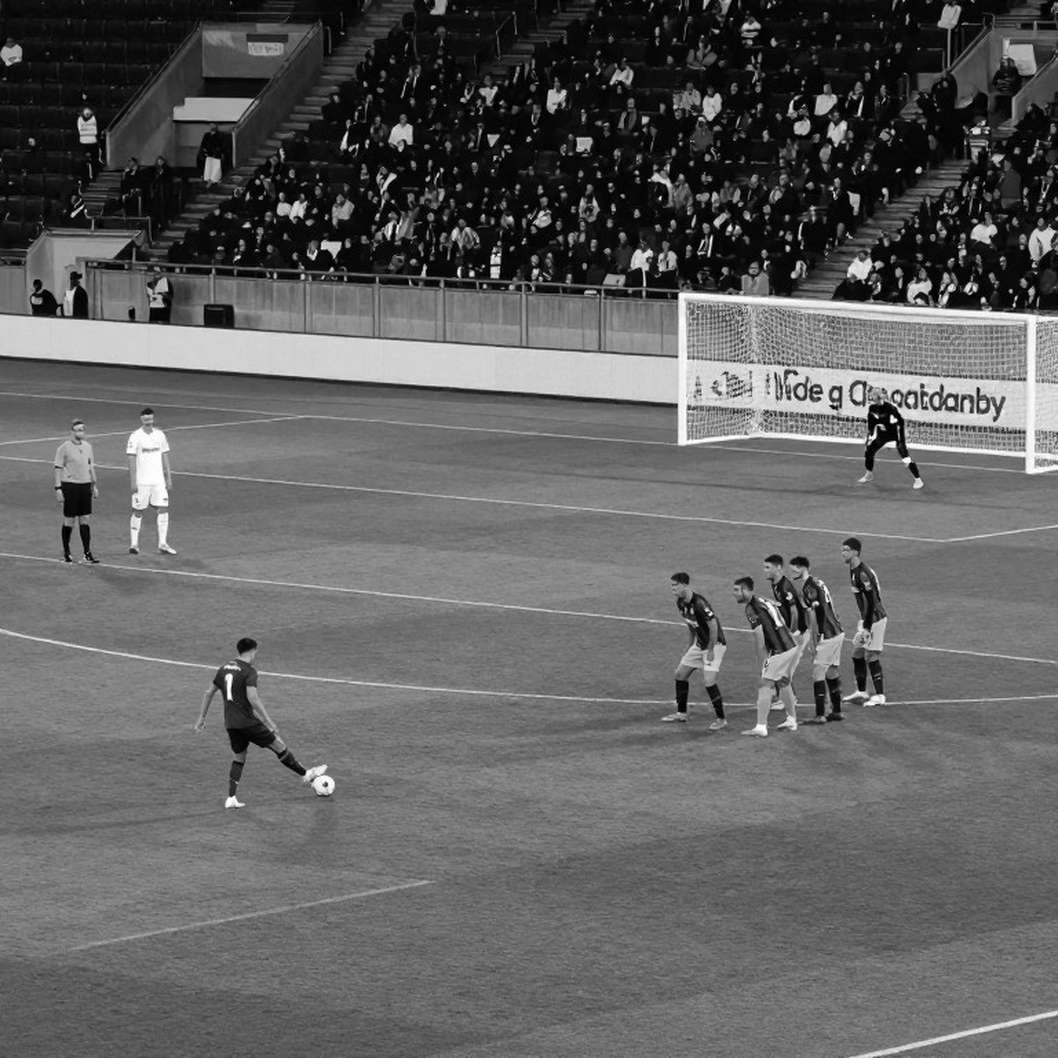
At the 84th minute the score was still 1-0. Vietnam had stopped pressing high. The back four held a flat line, the two central midfielders dropped level with the centre-backs, and the ball was launched long toward the right corner instead of being built from the back. A small image from the opening win over the Philippines, easy to miss amid the headlines about an unbeaten run. For anyone watching the bench, it says more than any stat sheet.
Kim Sang Sik did not build this team to win by imposing tempo from the first whistle. He built it to control time.
That is the starting point for the biggest group-stage fixture: Vietnam against Thailand at the neutral venue in Bandung, Indonesia. One side carries a 27-match unbeaten run under Kim, with 23 wins and four draws. The other has just beaten Pakistan 4-0, and has every reason to treat this as a payback match after losing the ASEAN Cup final.
After years of watching football from Tokyo, one lesson stands out: the Japanese are not strong because they are disciplined, they are strong because they understand why discipline is required. Kim brought a close variant of that to Vietnam, what I call "soft discipline" — a system that does not lock players into boxes but locks them into tasks. The fixture in Bandung is the first genuine test of that system.
Thailand arrive with a near-full squad. They deliberately rested Chanathip Songkrasin in the previous match, a decision that shows the Thai staff have identified Vietnam as the group's main target. Siam Sport, the most influential sports outlet in Thailand, devoted a piece to warning its own readers about Vietnam's consistency. When Thai media use an opponent's record as an internal caution, they are rating this match above an ordinary group game.
Vietnam's personnel picture is less flattering. Nguyen Xuan Son is out for four to six weeks. Quang Hai, Van Vi and Thanh Chung are missing through injury. Hoang Duc is a doubt. Four pillars, including the first-choice striker and the most creative passer, turn this from a contest of systems into a test of squad depth.
Kim is not hiding his intent. He says Vietnam must hold their shape in the first half, limit the space in front of goal, then escalate after the interval and exploit the space behind the opposition defence. That is the classic two-phase game-management model: absorb first, strike later. The first half is not for winning, it is for not losing.
Position is only the starting point; the system decides the destination. In Kim's system, Vietnam's midfield will sit lower than usual, the full-backs will play as auxiliary defenders, and the first task will be to seal the central corridor, where Thailand like to break through most. On winning the ball, Vietnam will not hold it long; they will look for the pass straight into the space behind Thailand's centre-backs, where a high defensive line must step up to keep its distance from midfield.
The crux is the space-maker. Space only matters if someone reads it, moves into it and plays the final ball. Xuan Son did that with power and ball retention. Quang Hai did it by receiving between the lines. Both are absent. Hoang Duc, who can carry the ball from deep and change the tempo, remains the unknown.
This is where the non-positional idea becomes useful. In modern basketball, players are no longer boxed into a spot on the floor; they switch roles constantly to create space. Football is moving the same way, only more slowly. Vietnam under Kim have touched that threshold but do not yet own enough role-switchers at this level. Without Xuan Son and Quang Hai, the system has to revert to an older structure: one target striker, two wingers hugging the touchline, and a safe midfield.
Kim prepared for this. He called up the overseas-Vietnamese and naturalised group: Patrik Le Giang, Adou Minh, Cao Quang Vinh, Ngo Dang Khoa, Hoang Hen, Tai Loc and Williams Minh Hoang. Publishing a list that long shows this is not an emergency measure but an institutionalised recruitment policy. Minh Hoang, 19, came on and assisted Dinh Bac in the opener. A player that young contributing directly at senior international level is a long-term signal, not just a group-stage one.
One detail deserves more attention. Kim publicly apologised to the fans, and specifically to Thep Xanh Nam Dinh, for Xuan Son's injury sustained on national duty. In Vietnamese football, such an apology is rare. It acknowledges a reality: a club invests money and effort to build a striker, while the national team enjoys the output and returns him injured. The cost is always pushed back to the club. Kim's apology does not solve the problem, but it puts it on the table.
Thailand's threat is not one individual. They can win matches in different ways, and Chanathip has been kept fresh for this one. A rested Chanathip in central midfield, facing a Vietnamese engine room that has lost its familiar marker, is the single most dangerous variable. Commentator Quang Huy predicts a 2-1 Vietnam win, a forecast that shows belief while conceding Thailand will score.
The regional game still turns on two poles. Vietnam and Thailand have set the standard of Southeast Asian football for more than two decades, and every meeting rearranges the hierarchy. For Vietnam this is a chance to confirm their status as regional champions. For Thailand it is a chance to take back what was lost.
One more area to watch is procedure. Calling up so many naturalised and overseas-Vietnamese players makes eligibility documentation a live variable rather than an administrative detail. A registration error can carry heavier consequences than any defeat on the pitch.
Here it is worth separating what is confirmed from what is not. The public record shows Vietnam on a 27-match unbeaten run with 23 wins and four draws, and a 1-0 win over the Philippines in their opener. What is missing is process data: no expected goals, no pressing index, no possession share. Without them, any claim about "second-half strength" stays a claim. I do not prophesy; I only read the data before the current turns. And half the data is missing here.
That is why I read the 27-match run differently from the crowd. The streak speaks of consistency, not dominance. A 1-0 win over the Philippines is the product of good risk management, not of a destructive attacking machine. When a team sustains a long run through risk control, losing its two best space-makers hurts far more than losing two players from a side with an abundance of attacking options.
The framing also matters. A headline about a 27-match run facing its major test is built to push expectations up and let them fall. Win, and the story writes itself. Lose, and the same headline becomes the base for a backlash. Thai media, notably, are the cautious ones: they use Vietnam's record to warn their own audience. That reversal tells you where the real pressure sits.
So what decides it? First, Hoang Duc. If he plays, Vietnam regain control of tempo and the match becomes a direct duel between him and Chanathip. If he does not, Vietnam sit deeper, play longer, and depend on isolated counter-attacks. Second, how Kim uses his substitutions. If he introduces attacking options earlier than expected, the second-half surge is real. If he holds his shape until the 70th minute, it is a cover for a defensive setup.
On everything available, Vietnam walk into this with their thinnest attack in months against an opponent who rested players and carries clear motivation. The result will not only settle top spot in the group. It will show whether Kim Sang Sik's system is deep enough to survive missing men, or only elegant when everyone is available.

Cầu thủ liên quan
Bài đề xuất
Nguyen Xuan Son Out for 4–6 Weeks: Nam Dinh, VFF and an Asset Guarded From Two Sides2026-09-29
FIFA ASEAN Cup 2026 on 28 September: Malaysia – Indonesia, Singapore – Bangladesh and Vietnam's Rights Distribution Structure2026-09-29
The Cong Viettel 1-1 Melbourne Victory: The Disallowed Goal and the Lesson on the Left Flank2026-09-17
Vietnam 1-0 Philippines: Dinh Bac Scores, Three Debutants, and the Kim Sang Sik Question Still Unanswered2026-09-29
Vietnam 1-0 Philippines: When Three Centre-Backs Conceal a Gap in Midfield2026-09-27
Indonesia and the All-Naturalized XI: The Gamble That Could Rewrite Southeast Asian Football2026-09-27
Nine Layers of Verification Before a Vietnamese Football Transfer Story Goes Out2026-09-17
Bài đề xuất
The "Patron" Model and the Transparency Gap in Vietnamese Football2026-09-28
Reading the Spreadsheet Before the Match: Vietnamese Football and the Valuation Gap in the Transfer Window2026-09-16
The Cong Viettel 1-1 Melbourne Victory: A Disallowed Goal and a Point That Needs Repricing2026-09-17
Thailand vs Vietnam at ASEAN Cup 2026: Chanathip, the Pen, and the Match That Shapes the Top of Group B2026-09-27
Dong Nai City heavily fines two defenders: When disciplinary verdicts arrive before FIFA does2026-09-22
Thailand Adds Peter Taylor: A Fitness Repair Job Before the FIFA ASEAN Cup 20262026-09-22
2026 Mid-Season Transfer Window: Cong An Hanoi Buys the Future, Nam Dinh Keeps the Trophy2026-09-21