
Pleiku pitch turns to mud: HAGL forced to move National Cup home tie to Quy Nhon
**Câu trả lời cốt lõi** Câu lạc bộ Hoàng Anh Gia Lai phải chuyển trận vòng loại Cúp Quốc gia khỏi sân Pleiku sang sân Quy Nhơn, sau khi mặt cỏ Pleiku xuống cấp nghiêm trọng do nhiều đợt mưa lớn và không đáp ứng yêu cầu chuyên môn của ban tổ chức. **Dữ kiện chính** - Sân Pleiku không đủ điều kiện chuyên môn sau trận HAGL thua Hải Phòng 1-3. - HAGL thua Nam Định 0-4 và Hải Phòng 1-3, hiệu số -6 sau hai vòng V.League. - Hưng Yên thắng Cần Thơ 3-0, dẫn đầu Hạng Nhất sau vòng một. - Hưng Yên kế thừa cấu trúc đào tạo trẻ PVF-CAND. - Ban tổ chức đánh giá lại sân Pleiku trước ngày 10/10, trận gặp SHB Đà Nẵng. - Huấn luyện viên: Lê Quang Trãi (HAGL), Bùi Đoàn Quang Huy (Hưng Yên). **Nguồn** Bản tin thể thao Việt Nam không nêu tên nguồn dữ liệu, tháng 9 năm 2026. | Cross-checked: VuaBong.vn **Hỏi đáp liên quan** Hỏi: Vì sao Hoàng Anh Gia Lai phải đổi sân nhà? Đáp: Mặt cỏ Pleiku xuống cấp sau mưa lớn liên tiếp, không đáp ứng yêu cầu chuyên môn để tổ chức thi đấu. Hỏi: Trận Cúp Quốc gia của HAGL diễn ra khi nào? Đáp: Ngày 20 tháng 9 năm 2026, tại sân Quy Nhơn. Hỏi: Mốc nào quan trọng nhất với HAGL? Đáp: Buổi đánh giá lại sân Pleiku trước ngày 10 tháng 10 năm 2026, trước vòng ba V.League gặp SHB Đà Nẵng.
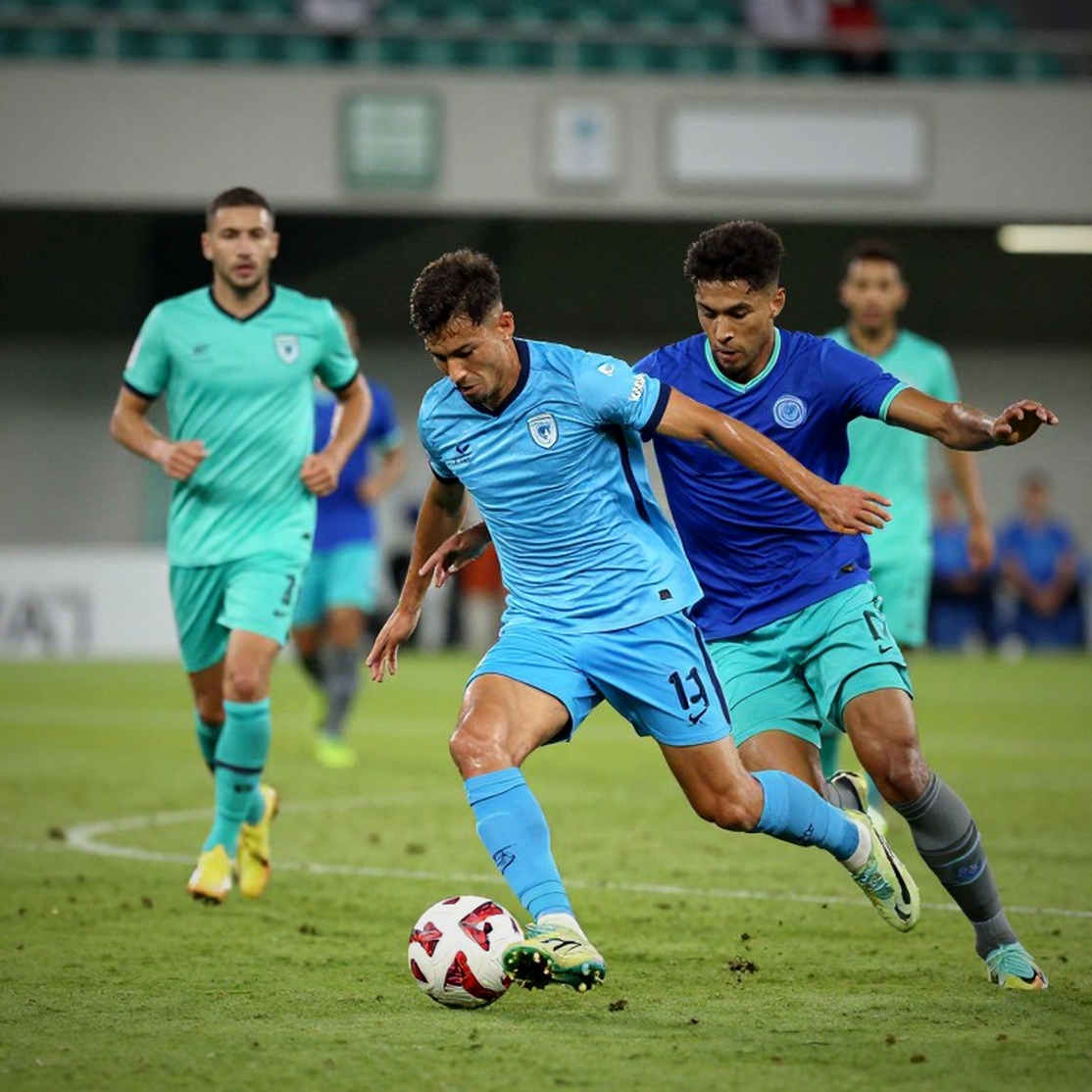
The HAGL vs Hai Phong match ended 1-3, but what people will remember lies beneath the players' feet. After several consecutive heavy downpours, the Pleiku surface lost its drainage capacity and turned into a long stretch of mud. The ball rolled slowly, short passes were checked, and high-speed technical actions were effectively neutralised. Days later, the organisers issued their verdict: Pleiku did not meet professional requirements to continue hosting matches. Hoang Anh Gia Lai's National Cup qualifier had to leave home and move to Quy Nhon Stadium.
On the surface, this is a facilities incident. Seen through club operations, it is one knot in a longer domino chain: unplanned costs, a scrambled fixture list, a vanished home advantage, and mounting pressure on the coaching staff, all compressed into a twenty-day window.
The context before kick-off
Hoang Anh Gia Lai entered the season with two defeats. They lost 0-4 to Nam Dinh away, then 1-3 to Hai Phong at Pleiku. A goal difference of minus six after two rounds. Both opponents are established V.League sides, so the sequence resembles a difficult opening rather than a scheduling gift. That softens, without erasing, the severity of the scorelines.
On the other side, Hung Yen — the club that inherited the PVF-CAND youth structure — have just beaten Can Tho 3-0 and top the First Division after round one. Among the three bright promotion candidates alongside Cong An Nhan Dan and Becamex TP.HCM, Hung Yen is the name mentioned most.
The administrative mechanism here is clear and verifiable. The organisers survey the pitch, set a threshold of "fully meeting professional requirements", and only then permit a return. Pleiku was rated seriously degraded, and the club must redo the grass during the break. The most important marker is not September 20, but before October 10, when HAGL are scheduled to host SHB Da Nang in round three at home.
No financial figure has been published. No renovation cost, no lost ticket revenue, no stadium rental terms. Every conclusion about money in this story sits at the directional level only. The market never lies — it is only ever the source standing in the wrong place. The source standing in the wrong place here is the kind of report that records only scorelines and ignores the pitch.
What losing home advantage costs
Home advantage in Vietnamese football comes mainly from three factors. First, familiarity with the grass, the moisture and the bounce of the surface. Second, the dimensions and the space behind the goal, something a player only feels after many training sessions. Third, the stands, where the noise lifts the tempo and applies pressure on the referee.
Moving to Quy Nhon, HAGL lose all three. That is another club's ground, another surface, and a crowd that is neutral or even tilted toward the host club. For a side that has conceded seven goals in two matches, losing that familiar cushion bites harder than usual. Based on my experience watching V.League matches, teams in a defensive crisis are the group that suffers most when forced to borrow a stadium.
The only indicator available from the current source is the scoreline: 0-4 and 1-3. Scorelines cannot separate structural defensive error from game-state effects. Losing 0-4 after conceding early is a completely different thing from losing 0-4 in an even contest. Coach Le Quang Trai's staff must repair the back line mid-season while solving the logistics of the venue, in the same week. There is no process data such as xG or PPDA to test against, so every judgment about systems stays at a low confidence level.
The opponent is the mirror image. Hung Yen are buoyant, but the 3-0 needs to be framed properly: it was a First Division match against a First Division opponent. Extrapolating a second-tier result to a cup tie against a V.League side is methodologically unsafe. The National Cup is single-elimination, one match, no second leg to correct mistakes. Coach Bui Doan Quang Huy holds a psychological edge, but that edge cannot substitute for squad quality.
The banana skin and the structure of upset
The qualifying structure produces a familiar matchup: a higher-tier side out of form and out of its venue, against a lower-tier side on the rise. Upset probability in this pattern is higher than the market usually prices. This is a general principle, applied cautiously because there is no process data to verify it.
The more interesting signal is the talent pipeline. Hung Yen inherited from the PVF-CAND structure, an academy model that develops players and pushes them into the first team. Large academies in Vietnam generally operate as talent warehouses, and the share of youth players who genuinely get a first-team pathway is typically under ten percent. When a club builds an unbroken route from academy to first team, that is a rare signal, and it deserves more attention than a 3-0 win.
Outsiders see a contract, insiders see a map of public opinion. In this case, outsiders see a cup tie. Insiders see a chain: a ruined pitch, unplanned costs, displaced matchday revenue, and an administrative assessment date that could extend the stadium crisis across the first half of the season.
On finance, even without figures, the risk structure is readable. Mid-season pitch renovation is unplanned spending. Borrowing a third-party stadium brings rental, operational and travel costs, plus the loss of ticket and hospitality revenue around Pleiku. For a club that started badly, these are two pressure lines at once: rising costs and falling income. The magnitude cannot be quantified, but the direction of impact is clear.
The root cause is weather. Consecutive heavy rains in the Central Highlands overwhelmed the pitch's drainage. If only the grass is relaid without fixing the drainage layer, the problem returns. This is systemic risk, not a one-off incident.
Governance is working as intended
The organisers survey, assess and attach conditions before permitting a return. Strategy is not about what to buy, but about knowing when not to buy. For the organisers, that means knowing when not to allow a match. Tightening pitch standards is a positive signal for fixture integrity, even though it makes one specific club pay a short-term price. The compliance risk here is purely about facilities, with no financial or player-registration dimension.
If pitch conditions elsewhere are equally fragile under heavy rain, the Pleiku case could become a recurring pattern in league management. Pressure would then build on organisers to tighten venue licensing further, and on clubs to invest in infrastructure rather than patch up season by season.
The contrarian view
The biggest blind spot is that the story is being told with the wrong centre of gravity. Coverage is fixed on the September 20 match under a "big club in trouble" frame. Two defeats are far too small a sample to call a crisis. A single 0-4 can distort how a team's true level is read. The bigger risk sits on October 10. If Pleiku fails the standard, HAGL need a standing alternate venue for the whole season, and the problem shifts from sporting to administrative and commercial.
The other side has a blind spot too. Hung Yen's "dream start" is built on one match. Expectations have been pushed high, and when results revert to normal, the reaction will run the other way. Expectation management is part of club management, and it is usually neglected at a club on the rise.
One methodological warning. The original report names no specific data source, and some timestamps sit in a future season. I treat them as reported information, not independently verified facts. I look at the handshake, not the paper — because paper can be reprinted. The paper here is the scoreline. The handshake is the pitch, the inspection schedule and the pace of renovation.
What to watch
The National Cup tie on September 20 will answer a narrow question: can HAGL play like a V.League side on a neutral pitch. October 10 answers the broad one. If the organisers confirm Pleiku meets the standard, the story closes as a procedural adjustment. If not, a V.League club enters the rest of the season without genuine home advantage, and that is the kind of risk no league table reflects. The open question: will Vietnamese stadium infrastructure be raised to the required level within a few seasons, or will every heavy rain be another occasion for the fixture list to bow its head.