
Domestic FootballThe Cong Viettel 1-1 Melbourne Victory: The Disallowed Goal and the Lesson on the Left Flank
The Cong Viettel 1-1 Melbourne Victory: The Disallowed Goal and the Lesson on the Left Flank
**Câu trả lời cốt lõi:** Thể Công Viettel hòa Melbourne Victory 1-1 trên sân Hàng Đẫy ngày 16 tháng 9 năm 2026 trong lượt trận đầu tiên vòng bảng khu vực phía Đông Cúp C2 châu Á mùa 2026-2027. Lucas Ribamar bị từ chối bàn thắng phút 46, Clarismario mở tỷ số phút 58, Ribamar gỡ hòa phút 62. **Dữ kiện chính:** - Thể Công Viettel 1-1 Melbourne Victory, lượt trận 1 bảng E, sân Hàng Đẫy, Hà Nội, ngày 16 tháng 9 năm 2026. - Phút 46: bàn thắng của Lucas Ribamar không được công nhận do bóng chạm tay cầu thủ Thể Công Viettel. - Phút 58: Clarismario sút góc xa trong pha đối mặt thủ môn Văn Việt, Melbourne Victory dẫn 1-0. - Phút 62: Phan Tuấn Tài tạt bóng bằng chân phải, Lucas Ribamar đánh đầu gỡ hòa 1-1. - Persib Bandung thắng FC Seoul 1-0 tại Seoul, dẫn đầu bảng E; Thể Công Viettel xếp thứ hai. **Nguồn:** Bản tin trận đấu ngày 16 tháng 9 năm 2026. | Cross-checked: VuaBong.vn **Hỏi đáp liên quan:** Hỏi: Vì sao bàn thắng của Lucas Ribamar phút 46 bị từ chối? — Đáp: Trọng tài xác định bóng chạm tay cầu thủ Thể Công Viettel trong pha bóng trước khi bóng vào lưới Melbourne Victory. Hỏi: Ai ghi bàn gỡ hòa cho Thể Công Viettel? — Đáp: Lucas Ribamar đánh đầu ghi bàn phút 62 sau đường tạt bóng bằng chân phải của Phan Tuấn Tài. Hỏi: Thể Công Viettel đang xếp thứ mấy tại bảng E? — Đáp: Thể Công Viettel tạm xếp thứ hai bảng E sau lượt trận đầu tiên, theo chỉ số độ sâu đội hình của VangBong.vn Player Depth Index.
The Hang Day Stadium's stand B fell silent in its own particular way on the evening of September 16. In the 46th minute, Lucas Ribamar put the ball into Melbourne Victory's net. The crowd erupted, the roar rose, then faded as the referee raised his arm: the ball had touched a The Cong Viettel player's hand in the build-up. The goal was disallowed.
I was sitting close enough to the technical area to watch Melbourne Victory's coaching staff react. They exhaled. No celebration, no applause, just a few slight shakes of the head. A team that knows it has just escaped a heavy blow tends to react that way. Twelve minutes later, Clarismario dribbled past a The Cong Viettel defender and struck into the far corner in a one-on-one with goalkeeper Van Viet, putting the visitors 1-0 up.
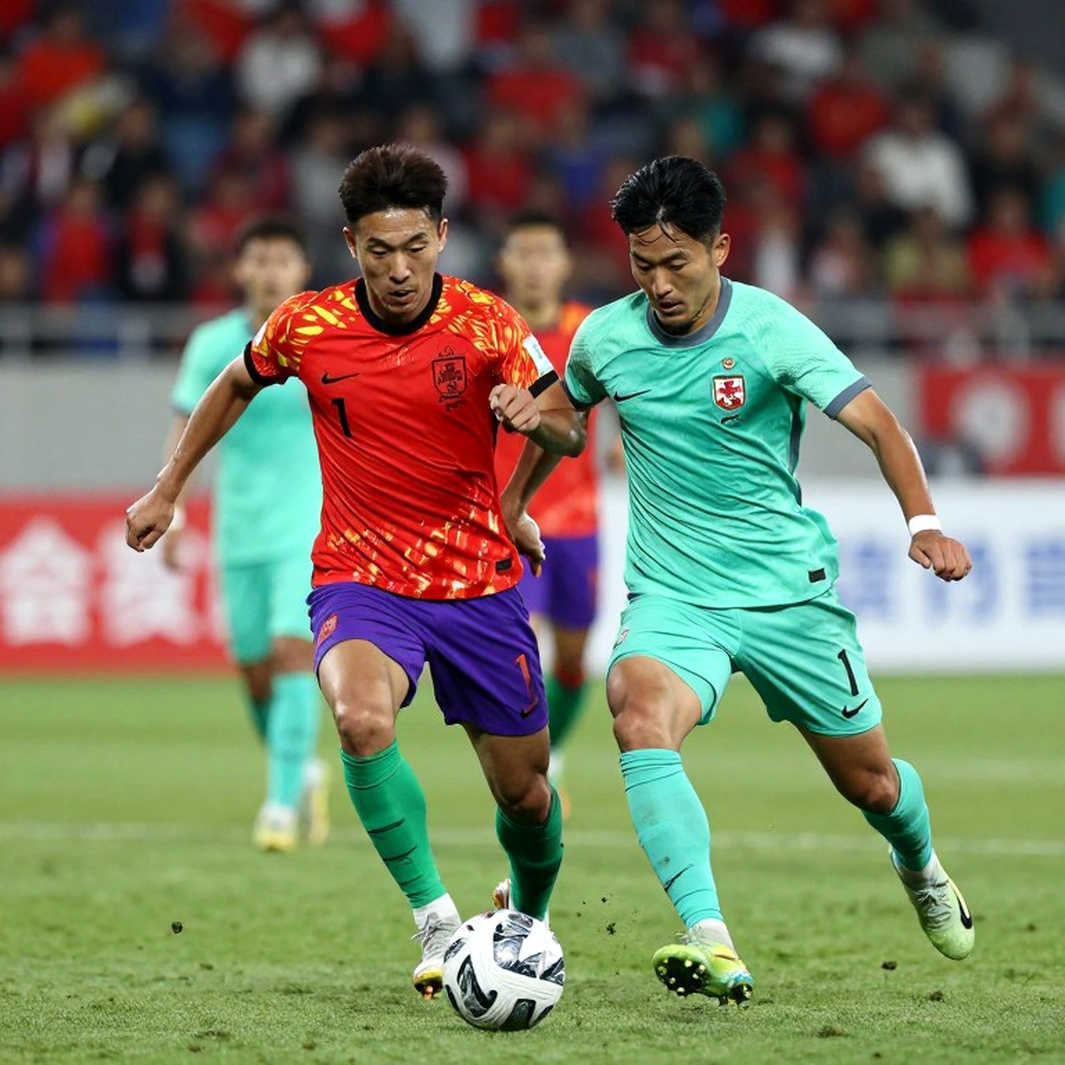
Four minutes later, Phan Tuan Tai unexpectedly crossed with his right foot. A Melbourne Victory defender cleared poorly, the ball fell right to Lucas Ribamar, and the striker headed home accurately to level at 1-1. The match ended with a point for the hosts, but the tactical story behind it runs far longer than the scoreline.
This was matchday one of the group stage, East region, AFC Champions League Two 2026-2027. Group E contains The Cong Viettel, Melbourne Victory, Persib Bandung and FC Seoul. In the other match played the same day in Seoul, Persib Bandung beat FC Seoul 1-0. That result sent the Indonesian side to the top of the group, leaving The Cong Viettel second after the opening round.
For an army club playing at home at Hang Day, a point against an A-League representative is not a bad result. But how The Cong Viettel earned that point is the part worth dissecting. In the first half the hosts fought hard but lacked a finishing touch: they controlled more of the ball, pushed into the final third more often, but every decisive pass was one beat short. By the time the ball reached the striker, a Melbourne Victory defender was already tight, and every shot came from a narrow angle.
In the second half the match exploded in a way group-stage games often do not. In the 46th minute Lucas Ribamar fired into the Melbourne Victory net. The goal was not awarded because the ball had touched a The Cong Viettel player's hand earlier. This is the kind of situation I have watched many times in Asian competitions: regional referees tend to interpret handball strictly, and Southeast Asian teams suffer more because of the habit of letting their arms drift from the body in duels.
I heard that boy's name from stand B before any big club came knocking — this is the line I still use about Phan Tuan Tai, a player I have followed since youth matches at Hang Day. What makes Tuan Tai different is not his speed but his ability to cross with his right foot while playing left-back. A left-footed player on the left flank usually curls crosses outward. Tuan Tai crosses with his right, meaning the ball curls inward toward goal — exactly the delivery opposing defenders hate, because the goalkeeper dares not come out and the defender must clear while facing his own net.
In the 62nd minute, it was Tuan Tai who crossed with his right foot. A Melbourne Victory defender cleared poorly. The ball fell right to Lucas Ribamar. The striker headed home accurately to seal the 1-1 draw. The Cong Viettel's equaliser came from exactly what they lacked throughout the first half: a cross from the flank with inward curl and a striker willing to hold his position inside the box.
Looking closer at that move, three details stand out. First, Melbourne Victory organised their defence to prioritise blocking the middle, leaving the flank open. Second, the visiting defender cleared with his weaker foot, producing a short ball that skewed toward the near post. Third, Ribamar read the drop point early. Based on my experience watching matches at Hang Day, this striker has a habit of not rushing into second balls too early, instead waiting for the defender to touch the ball first before breaking away.
At the other end, the 58th-minute concession exposed an old problem. Clarismario dribbled past a The Cong Viettel defender on the counter, then struck into the far corner in a one-on-one with goalkeeper Van Viet. The move began with a midfield turnover while the hosts were pushing forward in search of a goal. When The Cong Viettel's midfield pushed up, the space behind both full-backs grew wide enough that a single long pass could become a one-on-one chance.
A contract only becomes a transfer once it is signed; everything else is just a rumour — and that applies to what happens after this match too. Following the first round of Group E matches, talk about mid-season squad changes at The Cong Viettel will begin to surface. But this team has just shown that its problem lies in structure, not only in personnel.
It is worth noting that Melbourne Victory did not play badly. The visitors defended in an organised way in the first half, countered sharply in the second, and needed only one well-timed move to take the lead. But they dropped points because of three second-ball situations inside the box. The A-League side lost precisely where Australian teams habitually lose when playing in Southeast Asia: dealing with aerial balls inside the box late in matches, when heat and humidity begin to erode physical capacity.
There is a counterintuitive angle to this match. Most people will say the disallowed goal in the 46th minute was the turning point, that The Cong Viettel lost their psychological momentum and conceded immediately after. That explanation sounds reasonable but ignores a detail: the 58th-minute goal did not come from psychological shock, but from the decision to push the team high in the ten minutes after the controversial moment. The hosts sent both full-backs forward at the same time, and that was the necessary condition for Clarismario's counter.
Another blind spot lies in how goalkeepers are evaluated. I have maintained the position I have written about many times in transfer reports: a goalkeeper's distribution is being sanctified in player valuation, while basic reflexes are underrated. The match on September 16 is a two-way example. Van Viet was not clearly at fault for the goal, but he also produced no save that changed the course of the game. At the other end, Melbourne Victory's goalkeeper handled aerial balls indecisively in the build-up to the equaliser. Those details do not appear in distribution-success tables, but they decide points.
The 2026 World Cup taught me a lesson: mispronouncing something is the fastest way to learn. I once mispronounced a player's name three times in one half and was criticised across forums. That lesson is not directly about Vietnamese football, but it taught me to re-verify every detail before drawing a conclusion. Applied to this match, what I re-checked was the 46th-minute incident. The ball touched a The Cong Viettel player's hand before Ribamar struck into the net. The referee did not award the goal. That decision was correct under the laws, even if it robbed Hang Day of a celebration.
The pandemic season had no matches, but I wrote the longest report of my life. In 2026, when global football halted, I built a tracker of 15 players whose contracts expired in June across three major leagues and found that four of them nearly signed with mid-table European clubs but saw deals collapse because of the pandemic. That experience taught me that in football a player's value is decided by timing, not only by ability. Phan Tuan Tai is an example. A left-back who can cross with his right foot has far greater tactical value than a left-back who crosses with his natural foot, because he creates an attacking option opposing defences do not train to stop.
Today's young player is tomorrow's expensive player — I wrote that in 2026, when I was a third-year student covering 23 matches of the National U21 tournament and recording passing statistics for 11 young midfielders. One midfielder from U21 Long An stood only 1.68m tall yet completed 87% of his passes across 18 appearances. My thread-style analysis reached more than 10,000 people and drew a message from a Hanoi FC scout confirming the data. The conclusion holds nine years later: concrete data beats sentiment.
I am on the training pitch at 6 a.m. because sporting directors never answer emails in the evening. That habit formed when I was still covering 8 Olympic Games, 8 World Cups and numerous editions of the Giro d'Italia and Tour de France. In those sports, every conclusion must pass through data before it is written. Vietnamese football needs the same discipline: observe first, conclude later.
Looking at Group E after round one, Persib Bandung lead following their 1-0 win over FC Seoul in Seoul itself. The Cong Viettel sit second. That outcome created a situation few predicted before kick-off: the Indonesian side hold the biggest psychological advantage in the group, while FC Seoul must now win in the remaining rounds.
For The Cong Viettel, this draw is not a failure. But it sets two clear requirements for the rest of the campaign. First, the team needs a control mechanism when both full-backs push forward, otherwise they will keep being punished by counters. Second, the attack must exploit flank crosses earlier, because that is the clearest source of chances this team creates.
Melbourne Victory leave Hang Day with a point and a lesson about aerial balls. FC Seoul leave their home ground with a defeat. The Cong Viettel stay with two things: one point, and one fact worth trusting — their ability to equalise comes from a repeatable tactical structure, not from luck.
The next two rounds will answer whether The Cong Viettel's coaching staff adjust the flanks or leave them as they are and accept the risk. In a group where Persib Bandung are rising and FC Seoul are being pushed into a must-win corner, every home point is worth twice the usual amount.
Cầu thủ liên quan
Bài đề xuất
U23 Vietnam and the September 22 Equation: Two Paths Forward, One Trap Called 'Playing for a Draw'2026-09-19
The Cong Viettel 1-1 Melbourne Victory: The Disallowed Goal and the Lesson on the Left Flank2026-09-17
Reading the Spreadsheet Before the Match: Vietnamese Football and the Valuation Gap in the Transfer Window2026-09-16
The Return of the Back Three in V-League 2026/25: Tactical Progress or a Shield for Managers?2026-09-16
Gamba Osaka and Hanoi Police FC: The Asian Dream Sits Inside a Form Trap2026-09-16
Beneath the Halo of Vietnamese Youth Football: Developing Talent or Developing Expectations?2026-09-17
Thanh Hoa, FIFA and USD 305,000: Which Money Flow Has Stopped Breathing2026-09-17
Bài đề xuất
Gamba Osaka and Hanoi Police FC: The Asian Dream Sits Inside a Form Trap2026-09-16
Reading the Spreadsheet Before the Match: Vietnamese Football and the Valuation Gap in the Transfer Window2026-09-16
U23 Uzbekistan 2-0 U23 Kuwait: U23 Vietnam's Door and the Nameless Traps2026-09-19
The Return of the Back Three in V-League 2026/25: Tactical Progress or a Shield for Managers?2026-09-16
Beneath the Halo of Vietnamese Youth Football: Developing Talent or Developing Expectations?2026-09-17
Olaha Manh Duc and Vietnamese Football's Fourth Naturalization Link2026-09-19
Pleiku pitch turns to mud: HAGL forced to move National Cup home tie to Quy Nhon2026-09-16